Top Destinations - Nepal

Bhaktapur

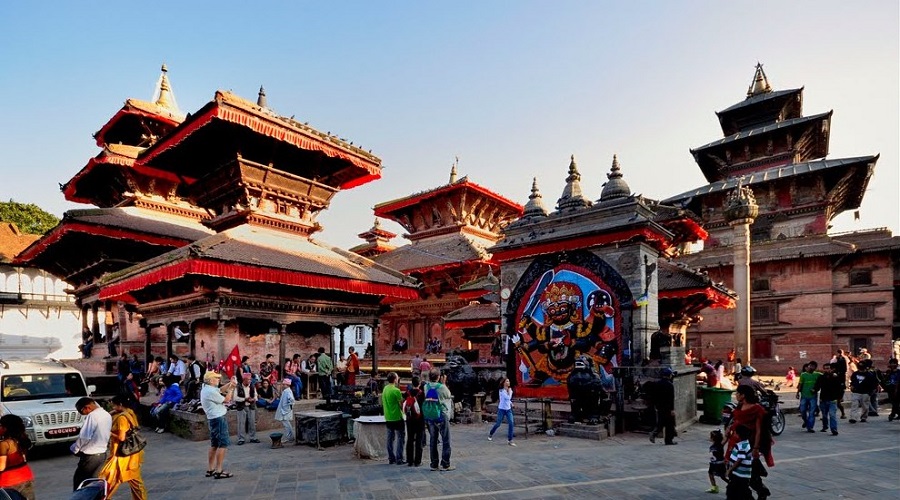
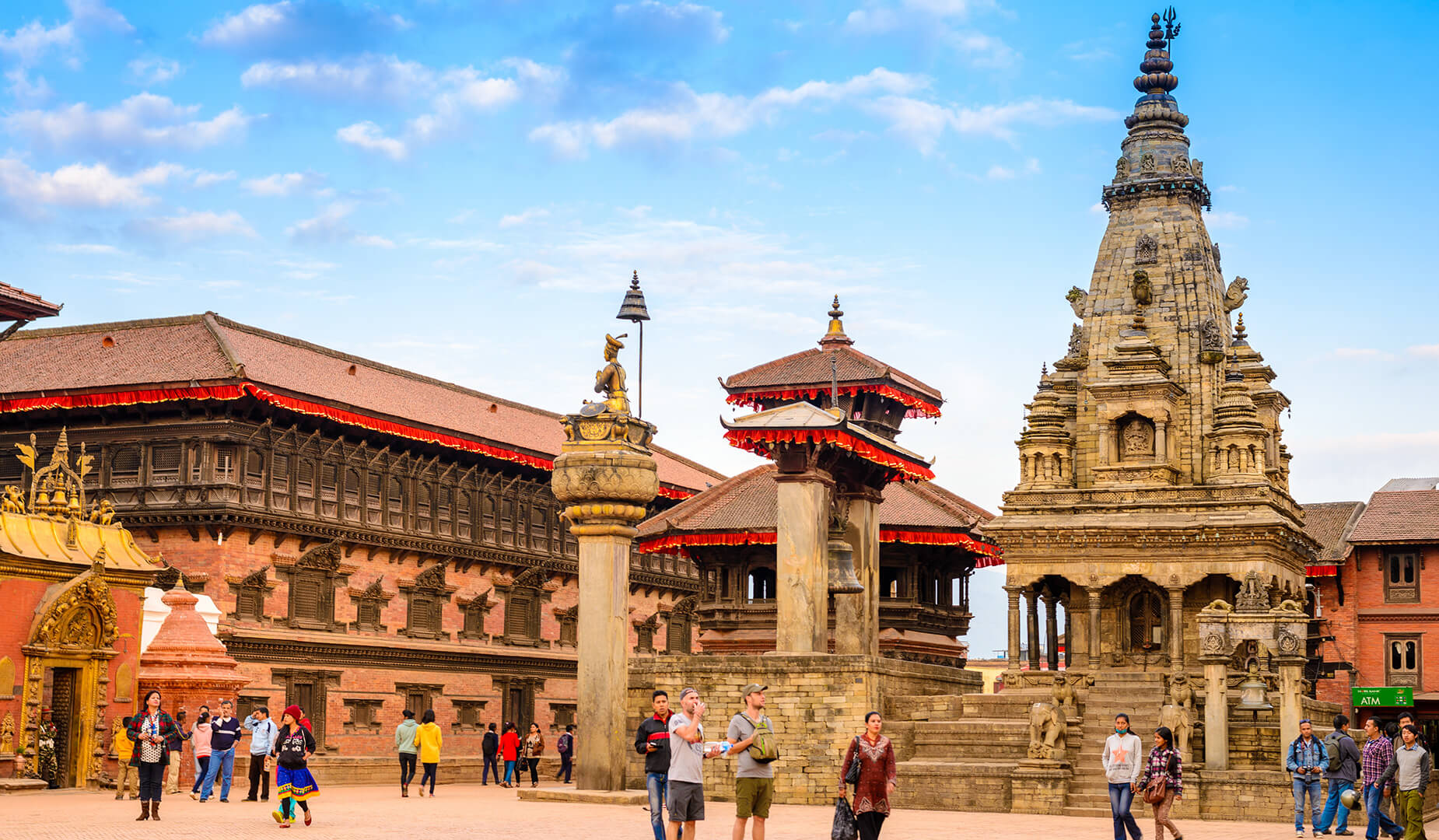
Bhaktapur Durbar Square is a town center in front of the royal palace of the old Bhaktapur Kingdom. It is a UNESCO World Heritage Site.

Bhaktapur Durbar Square is located in the current town of Bhaktapur, also known as Bhadgaon, which lies 13 km east of Kathmandu. While the complex consists of at least four distinct squares (Durbar Square, Taumadhi Square, Dattatreya Square and Pottery Square), the whole area is informally known as the Bhakapur Durbar Square and is a highly visited site in the Kathmandu Valley.
Nagarkot

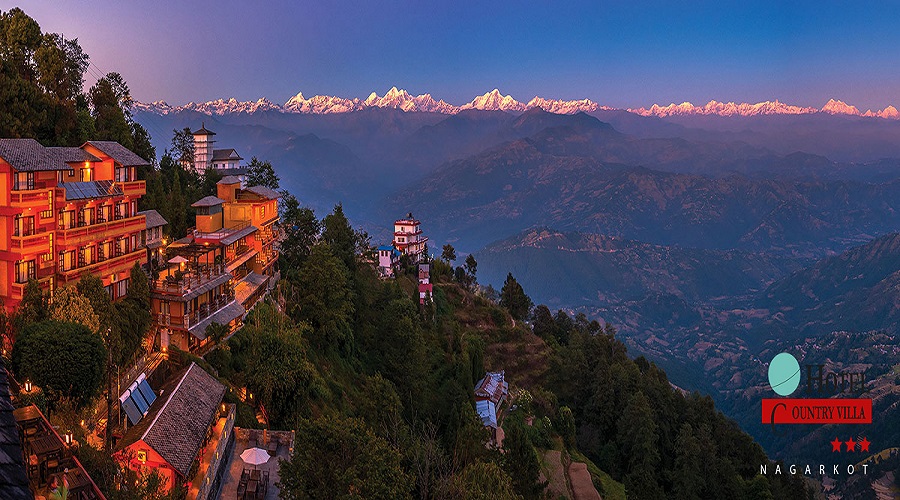
Nagarkot has a reputation as the top spot for enjoying Himalayan views from the comfort of your hotel balcony. Just 32km from Kathmandu, the village is packed with hotels, stacked up on a ridge facing one of the broadest possible views of the Himalaya.

Chitwan

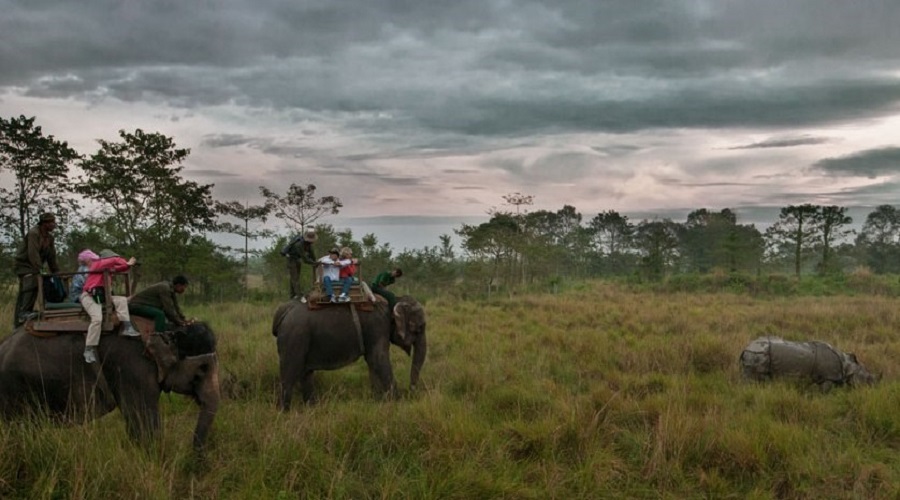
Chitwan National Park is one of the premier drawcards in Nepal. The World Heritage listed reserve protects over 932 sq km of forests, marshland and rippling grassland, and is home to sizeable wildlife populations. It is little wonder this place is so popular.

Meaning Heart of the Jungle, Chitwan is famous as one of the best wildlife-viewing national parks in Asia, and you will have an excellent chance of spotting one-horned rhinos, and up to 544 species of birds.

Lumbini

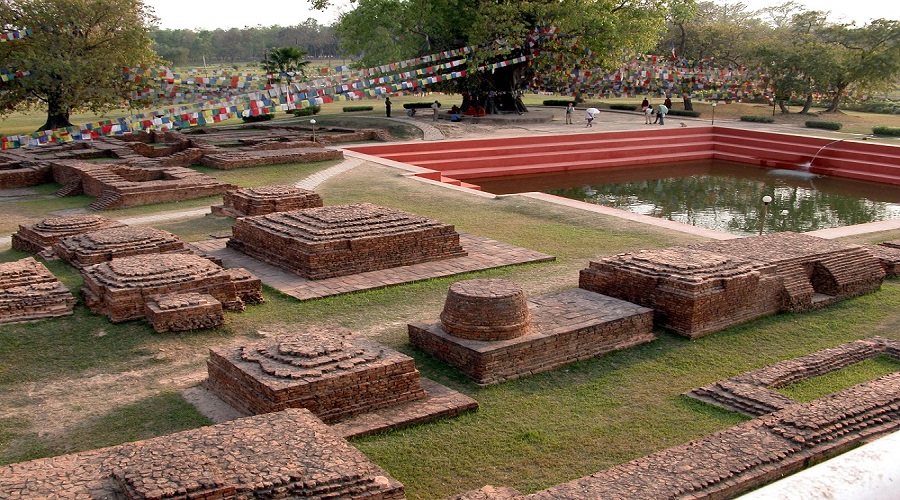
Lumbini: It was in Lumbini, around the year 563 BC, that one of historys greatest and most revered figures, Siddhartha Gautama, better known as the Buddha, was born.

It is no great surprise to learn that the World Heritage listed Lumbini is of huge religious significance and attracts Buddhist pilgrims from around the world.

Langtang

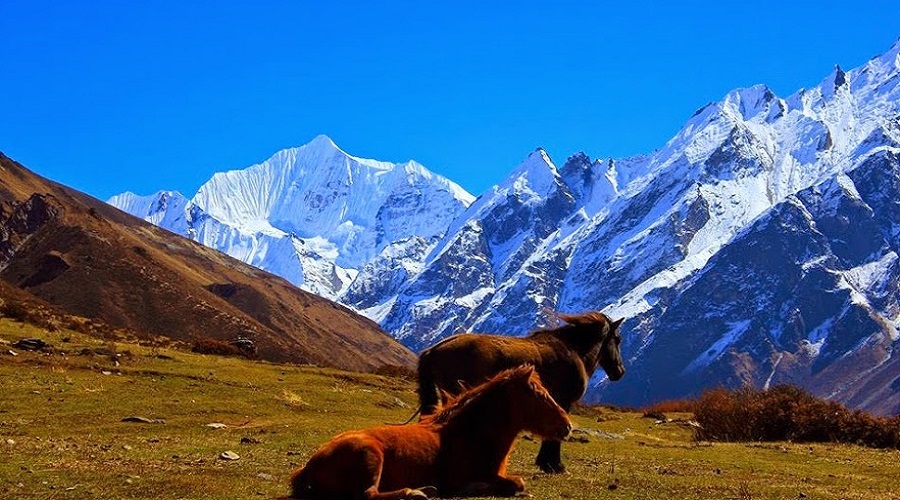
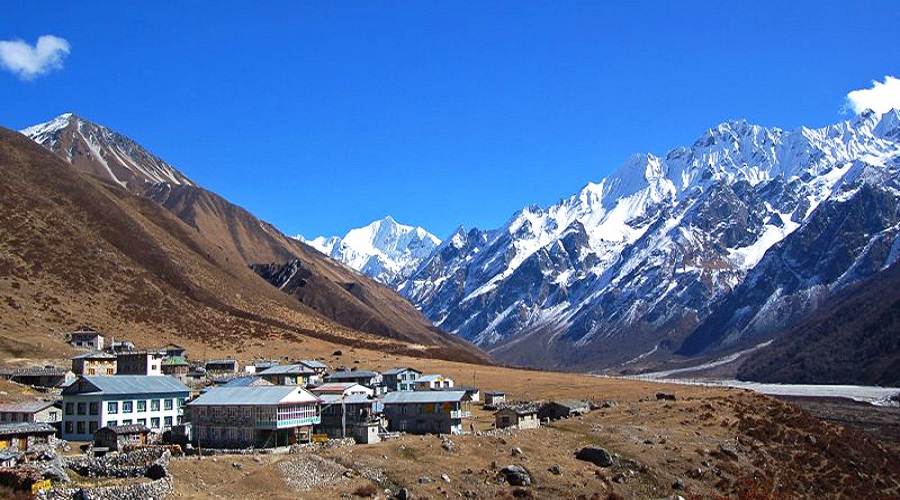
Langtang is a region in the Himalayas of Nepal to the north of the Kathmandu Valley and bordering Tibet.

The Langtang national park contains a wide variety of climatic zones, from subtropical to alpine. Approximately 25% of the park is forested. Trees include the deciduous oak and maple, and evergreens like pine, and various types of rhododendron. Animal life includes Himalayan black bear, the goat-like Himalayan tahr, rhesus monkeys and red pandas. There are also stories of Yeti sightings.

Patan Durbar Square

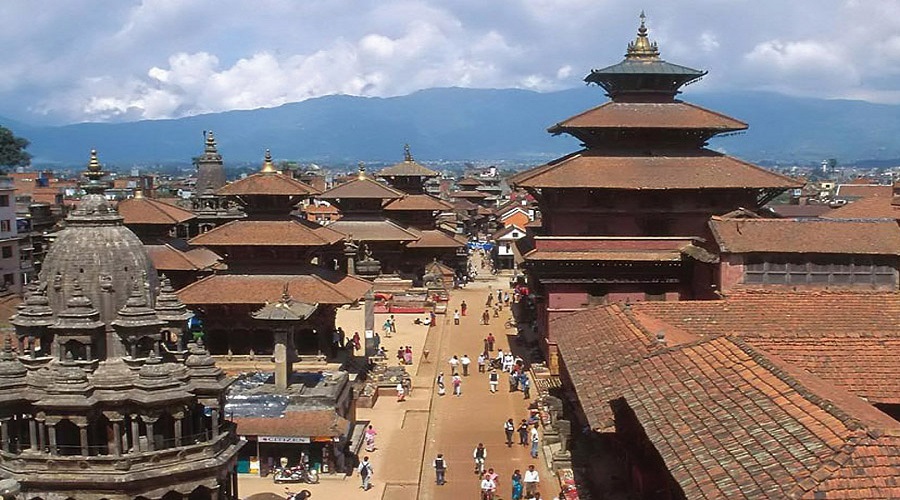
Patan Durbar Square: Patan, the oldest of all the three cities of Kathmandu valley. It is the best known for its artistic heritage. It is probably one of the oldest Buddhist City in the world.

The city is situated on a plateau across Bagmati River. Another name of Patan, is Lalitpur. The city is surrounded by 4Stupas as 4 corners of Patan, one at each corner of its cardinal points.

Pokhara

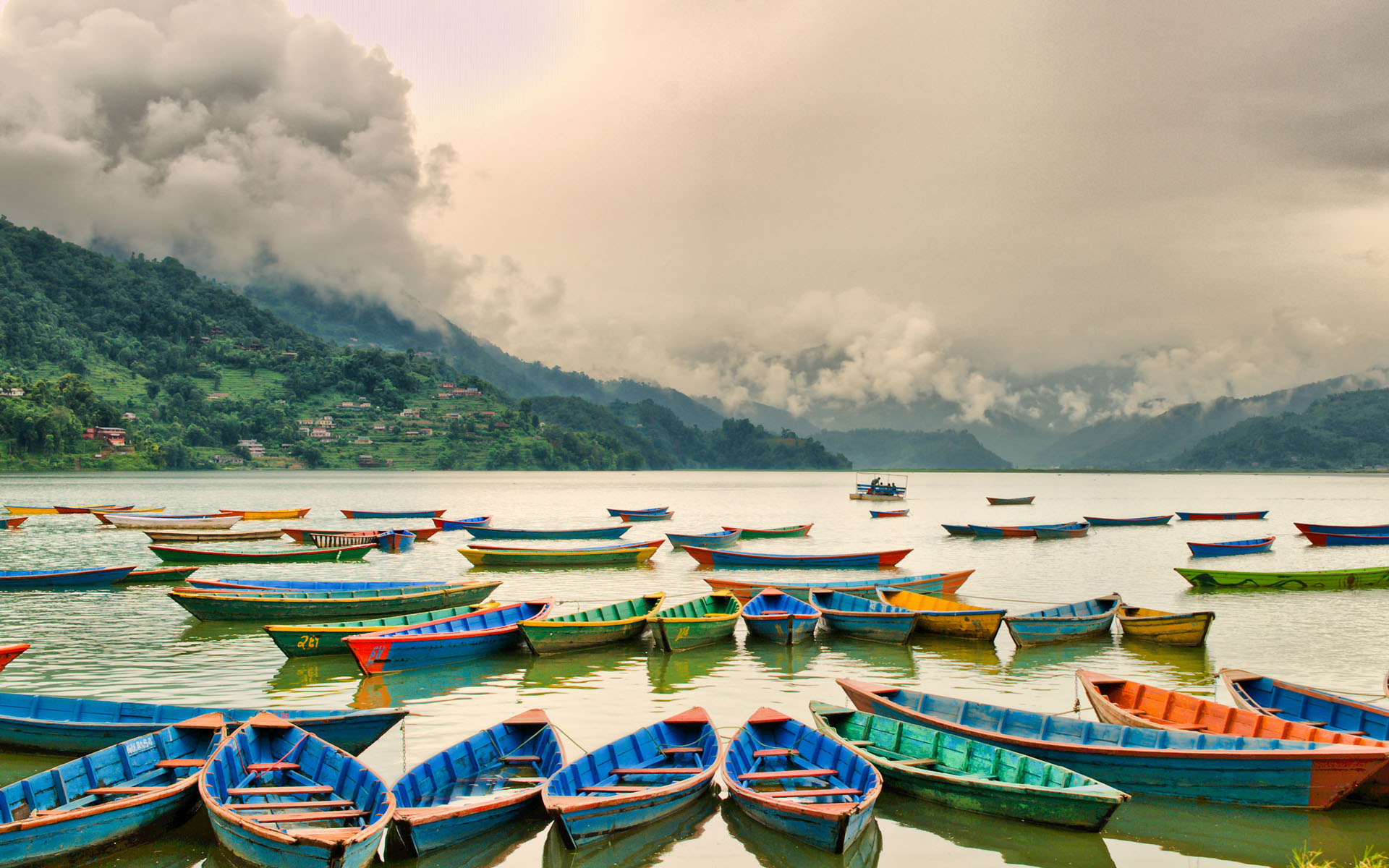
Pokhara has beautiful lakes, and is a doorway to the himalaya destinations.

Swayambhu

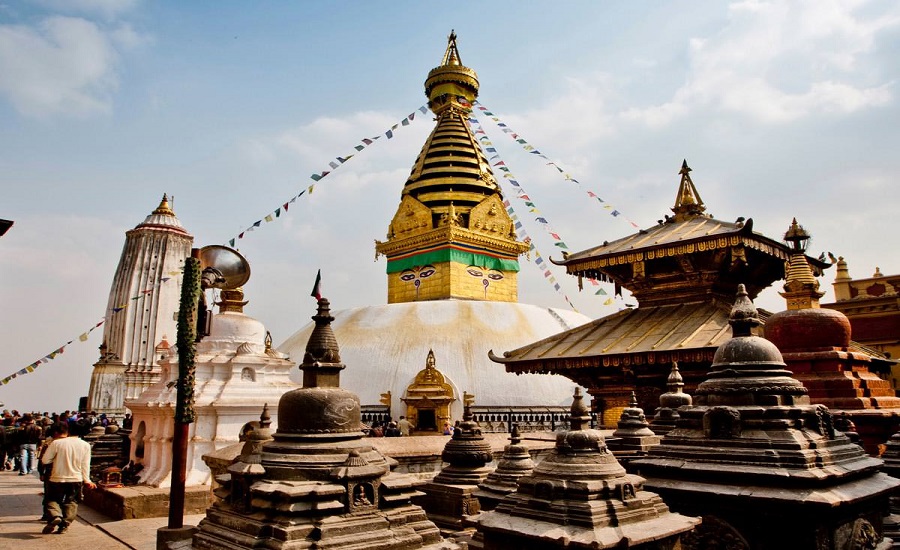
Swayambhu Nath monastry/temple is two of the most famous places to go because of its location, view, and surroundings. It is also called monkey temple because of so many monkeys around the temple.

Solukhambu

Solukhambu: As the main approach route to Mount Everest (Sagarmatha), the Solukhumbu region has an almost mystical status in the world of trekking. The two-week climb to Everest Base Camp is perhaps the world's most famous trek.

The traditional walking trail to Everest Base Camp begins in Jiri and climbs steady through the high valleys of Solu and Khumbu.

Pashupatinath

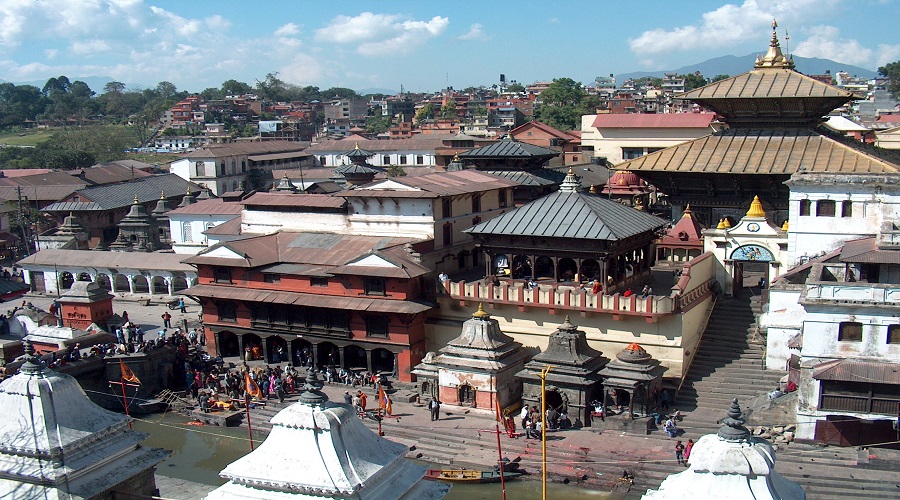
Pashupati Nath: Nepals most important Hindu temple stands on the banks of the holy Bagmati River, surrounded by a bustling market of religious stalls selling marigolds, prasad (offerings), incense, rudraksha beads, conch shells, pictures of Hindu deities and temples, tika powder in rainbow colours, glass lingams, models of Mt Meru and other essential religious paraphernalia.

Dolpa

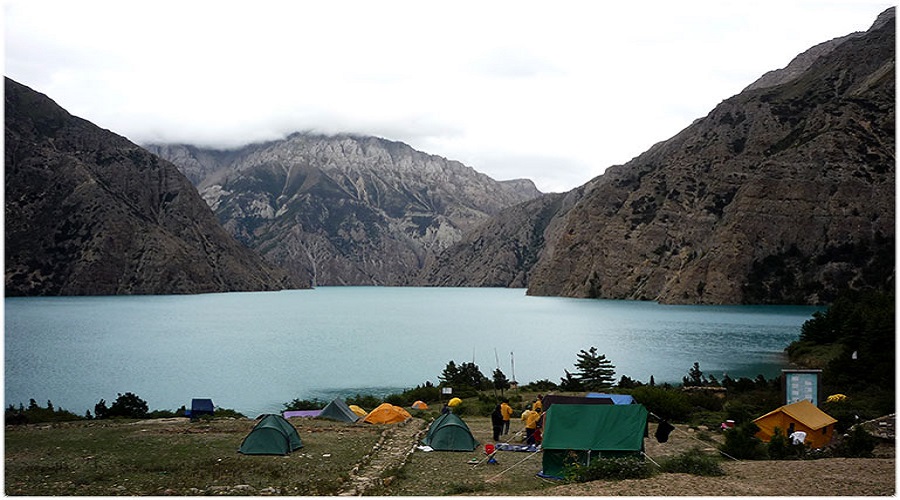
Dolpa's large portion of the district is protected by Shey Phoksundo National Park. The name is derived from the 12th century Shey Monastery and the deepest lake in Nepal, the Phoksundo Lake, both of which lie in the district.

The park protects endangered animals like the snow leopard, musk deer and the Tibetan wolf. Shey Phoksundo is the largest and the only trans-Himalayan National Park in Nepal.

Kathmandu Durbar Square

Kathmandu Durbar Square in front of the old royal palace of the former Kathmandu Kingdom is one of three Durbar (royal palace) Squares in the Kathmandu Valley in Nepal, all of which are UNESCO World Heritage Sites.

The Kathmandu Durbar Square held the palaces of the Malla and Shah kings who ruled over the city. Along with these palaces, the square surrounds quadrangles, revealing courtyards and temples. It is known as Hanuman Dhoka Durbar Square, a name derived from a statue of Hanuman, the monkey devotee of Lord Ram, at the entrance of the palace.

Go to top